Quick Report Delivery: The Future of Property Inspections
In today's fast-paced real estate market, the demand for efficient and timely property inspections has never been higher. Homebuyers and sellers alike are looking for ways to streamline the inspection process, ensuring that they can make informed decisions without unnecessary delays. Quick report delivery is emerging as a game-changer in this sector, transforming how inspections are conducted and reported. This blog post explores the future of property inspections, focusing on the benefits of quick report delivery, the technology driving this change, and practical examples of its implementation.
The Importance of Timely Property Inspections
Property inspections are a critical step in the buying and selling process. They provide essential information about the condition of a property, helping buyers avoid costly surprises down the line. However, traditional inspection methods often lead to delays in report delivery, which can frustrate all parties involved.
Common Challenges in Traditional Inspections
Time Consumption: Traditional inspections can take days or even weeks to complete and report.
Communication Gaps: Delays in communication between inspectors, agents, and clients can lead to misunderstandings and missed opportunities.
Inconsistent Reporting: Different inspectors may have varying reporting styles, making it difficult for clients to compare findings.
By addressing these challenges, quick report delivery can enhance the property inspection process significantly.
What is Quick Report Delivery?
Quick report delivery refers to the expedited process of generating and providing inspection reports to clients. This approach leverages technology to streamline data collection, analysis, and reporting, ensuring that clients receive comprehensive insights in a timely manner.
Key Features of Quick Report Delivery
Real-Time Data Collection: Inspectors can use mobile devices to gather data on-site, reducing the time spent on paperwork.
Automated Reporting: Software tools can automatically generate reports based on the collected data, minimizing human error and speeding up delivery.
Instant Access: Clients can access reports immediately after completion, allowing for quicker decision-making.
Technology Driving Quick Report Delivery
The rise of quick report delivery in property inspections is largely attributed to advancements in technology. Here are some key innovations that are shaping the future of inspections:
Mobile Inspection Apps
Mobile apps designed for property inspections allow inspectors to document findings directly on their devices. These apps often include features such as:
Photo Capture: Inspectors can take photos of issues and embed them directly into reports.
Voice-to-Text: Inspectors can dictate notes, speeding up the documentation process.
Checklists: Predefined checklists ensure that no critical areas are overlooked during inspections.
Cloud-Based Reporting Systems
Cloud technology enables inspectors to store and share reports instantly. Benefits include:
Accessibility: Clients can access reports from anywhere, at any time.
Collaboration: Multiple stakeholders can view and comment on reports simultaneously, facilitating better communication.
Data Security: Cloud systems often provide enhanced security features to protect sensitive information.
Artificial Intelligence and Machine Learning
AI and machine learning are beginning to play a role in property inspections by:
Predictive Analysis: These technologies can analyze historical data to predict potential issues in properties.
Automated Recommendations: AI can suggest maintenance or repairs based on inspection findings, providing added value to clients.
Benefits of Quick Report Delivery
The shift towards quick report delivery offers numerous advantages for all parties involved in property transactions.
For Buyers and Sellers
Faster Decision-Making: With immediate access to inspection reports, buyers can make quicker offers, and sellers can address issues proactively.
Increased Transparency: Quick reports provide clear insights into property conditions, fostering trust between buyers and sellers.
For Inspectors
Efficiency Gains: Inspectors can complete more inspections in less time, increasing their productivity.
Enhanced Reputation: Providing quick and reliable reports can enhance an inspector's reputation, leading to more referrals and repeat business.
For Real Estate Agents
Streamlined Transactions: Agents can facilitate smoother transactions by having timely information at their fingertips.
Improved Client Satisfaction: Quick report delivery can lead to happier clients, which is crucial for maintaining long-term relationships.
Real-World Examples of Quick Report Delivery
Several companies are already implementing quick report delivery in their inspection processes, showcasing its effectiveness.
Example 1: HomeGauge
HomeGauge is a platform that allows inspectors to create and deliver reports on-site. Inspectors can use their mobile app to document findings and generate reports that clients can access immediately. This approach has significantly reduced the turnaround time for inspection reports, leading to higher client satisfaction.
Example 2: Spectora
Spectora offers a cloud-based inspection software that enables inspectors to create customizable reports quickly. The platform's features include automated reminders for clients and agents, ensuring that everyone stays informed throughout the process. This has helped many inspectors improve their workflow and deliver reports faster.
Example 3: 3D Inspection Software
Some companies are using 3D inspection software to provide immersive reports. Inspectors can create 3D models of properties, allowing clients to explore the space virtually. This innovative approach not only speeds up report delivery but also enhances the client's understanding of the property's condition.
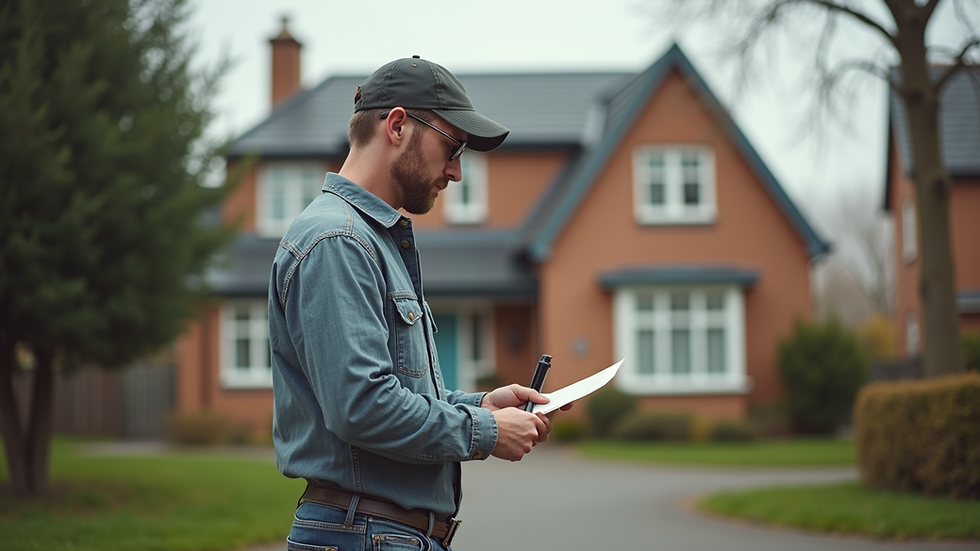
The Future of Property Inspections
As technology continues to evolve, the future of property inspections looks promising. Quick report delivery will likely become the standard, driven by ongoing advancements in mobile technology, cloud computing, and AI.
Potential Developments
Integration with Smart Home Technology: Future inspections may incorporate data from smart home devices, providing a more comprehensive view of a property's condition.
Virtual Reality Inspections: Virtual reality could allow clients to experience properties in a new way, making inspections more interactive and informative.
Blockchain for Transparency: Blockchain technology may be used to create secure, tamper-proof records of inspections, enhancing trust in the process.
Conclusion
Quick report delivery is revolutionizing the property inspection industry, offering significant benefits for buyers, sellers, inspectors, and real estate agents. By leveraging technology, the inspection process can become faster, more efficient, and more transparent. As we look to the future, embracing these innovations will be crucial for anyone involved in real estate transactions.
To stay ahead in this evolving landscape, consider adopting quick report delivery methods in your property inspection practices. The benefits are clear: improved efficiency, enhanced client satisfaction, and a competitive edge in the market.


Comments